
Lensym News & Updates
Product updates, survey best practices, and research insights from the Lensym team


Survey Incentives: Effects on Response Rate, Quality, and Selection Bias
Survey incentives increase response rates but affect who responds and how. Evidence on monetary vs. non-monetary incentives, prepaid vs. promised, optimal amounts, and when incentives help or harm data quality.

Survey Software for Complex Between-Subjects Experimental Design
What survey platforms need to support between-subjects experiments: randomization engines, condition isolation, manipulation delivery, blinding, and data export structures for experimental analysis.

Central Tendency Bias: What It Is, Examples & How to Prevent
Central tendency bias is when respondents cluster on middle scale options. Examples, why it happens on Likert scales, and how to prevent it.

Managing Conditional Branching in Multi-Condition Factorial Studies
How to implement factorial survey designs with conditional branching: condition assignment, path management, counterbalancing, manipulation checks, and data structure for 2x2, 3x2, and higher-order designs.

Survey Mode Effects: Comparing Online, Telephone, and Paper Administration
Survey mode affects response rates, data quality, and response patterns. Compare online, telephone, paper, and mixed-mode designs with evidence on when each mode works best and how to handle mode effects in analysis.

Real-Time Collaborative Survey Platforms for Research Teams
What research teams need from collaborative survey tools: simultaneous editing, role-based permissions, version control, commenting, and audit trails for multi-investigator academic projects.

Semantic Differential Scales: Theory, Construction, and Analysis
Semantic differential scales measure meaning through bipolar adjective pairs. Learn Osgood's EPA framework, how to construct and validate semantic differentials, and when they outperform Likert scales.

Avoiding Logic Errors in Complex Multi-Condition Survey Design
How logic errors creep into multi-condition surveys, why they go undetected until data collection, and systematic approaches to preventing dead ends, orphan questions, and contradictory conditions.

Recall Bias: Memory Distortion and Temporal Telescoping in Surveys
Recall bias distorts survey data through memory decay, telescoping, and reconstruction. Learn how memory works against accurate self-report, when recall bias matters most, and design strategies to reduce it.

Graph-Based Survey Logic: Visual Conditional Design for Complex Research
Why tree-based skip logic breaks under complex conditions and how graph-based visual editors solve branching, loops, and multi-path survey flows for academic research.

Question Order Effects: Assimilation, Contrast, and Anchoring
Question order shapes survey responses through assimilation, contrast, and anchoring effects. Learn how context carryover distorts data, when order matters most, and how to design sequence-resistant surveys.

Survey Platforms for Longitudinal Academic Studies
What survey platforms need to support longitudinal research: participant tracking, wave management, data linking, consent renewal, attrition monitoring, and long-term data governance for multi-wave academic studies.

Matrix Questions in Surveys: Examples + When to Use Them
Matrix survey questions trade efficiency for cognitive load. Examples of good vs bad grid design, when to use them, and how to prevent straightlining.

EU-Hosted Survey Infrastructure for Academic Data Collection
What 'EU-hosted' means technically for survey platforms, how to verify hosting claims, DPA requirements, sub-processor transparency, and infrastructure criteria for university procurement.

Social Desirability Bias: Examples & How to Reduce It
Social desirability bias is the tendency to give socially acceptable answers, not truthful ones. Examples, detection methods, and 6 ways to reduce it.

Criteria for Choosing a Survey Platform for Experimental Design
A structured evaluation framework for selecting survey platforms that support experimental research. Covers randomization, condition assignment, counterbalancing, compliance, and practical testing strategies.

Survey Pretesting: Cognitive Interviews, Expert Review, and Field Testing
Survey pretesting methods explained: cognitive interviewing (think-aloud, probing), expert review, behavior coding, and field testing. When to use each, how many respondents, and what problems each method catches.

Survey Tools with Advanced Conditional Branching for Research
What researchers need from conditional branching in survey tools: nested conditions, compound logic, visual editing, design-time validation, and metadata-preserving exports.

Acquiescence Bias: What It Is, Examples & How to Reduce
Acquiescence bias is the tendency to agree regardless of content. Real survey examples, why it happens, and the methods that reliably reduce it.

7 Survey Mistakes That Make Your Results Useless
The most common survey design errors that invalidate your data. Quick fixes for leading questions, survey length, missing options, and more.

Survey Software for Randomized Controlled Experiments
What experimental researchers need from survey software: randomization controls, condition assignment, counterbalancing, and design integrity features that most platforms lack.

Survey Weighting Explained: Methods, Examples & Pitfalls
How survey weighting works: post-stratification, raking, and propensity methods. When to use each, what each fixes, and the mistakes that distort results.

GDPR-Compliant Survey Platforms for European Universities: A Practical Comparison
A framework for evaluating survey platforms against EU university requirements: data sovereignty, Schrems II compliance, and institutional procurement criteria.

Double-Barreled Questions: 12 Examples & How to Fix Each
A double-barreled question asks two things at once, so answers can't be interpreted. 12 examples from real surveys and the rewrites that fix them.

How to Evaluate Survey Software for Academic Research
A systematic framework for evaluating survey platforms against academic research requirements. Beyond feature lists: what actually matters for methodological rigor.

Survey Sampling Methods: Probability vs Non-Probability (When Each Works)
Learn when probability sampling is necessary, when non-probability is acceptable, and how to choose a method you can defend in your methods section.

European Survey Infrastructure: Data Sovereignty for University Research
EU data sovereignty for academic surveys: post-Schrems II transfer mechanisms, what "European hosting" requires technically, and compliance implications.

How to Analyze Survey Data: A Beginner's Guide
Survey data analysis workflow: cleaning, quality screening, method selection by question type, and common analytical errors that mislead interpretation.

Survey Tools for Academic Research: What Features Actually Matter
A criteria-based framework for academic survey software: features that support rigor (randomization, validation, exports) and those that don't.

Survey Consent Under GDPR: What Researchers Need to Know
GDPR legal bases for survey data: when consent is required, when other bases apply, and what "valid consent" entails in research contexts and documentation.

Likert Scale Design: 5-Point vs 7-Point, Examples & Mistakes
Likert scale design: 5-point vs 7-point, label and midpoint choices, examples of good and bad scales, and mistakes that distort data.

Open-Ended vs Closed-Ended Questions: Examples & When to Use
Open-ended vs closed-ended survey questions: definitions, examples of each, pros and cons, and when to use which in mixed-method survey design.

How to Reduce Survey Bias: A Phase-by-Phase Framework
A workflow approach to bias reduction across the survey lifecycle: planning, sampling, fielding, and analysis. Concrete tactics at each stage.

How to Improve Survey Response Rates: Evidence-Based Strategies
Low response rates raise nonresponse bias risk. Evidence-based participation strategies, low-impact tactics to avoid, and design principles for engagement.

Skip Logic vs Branching Logic: The Difference Explained
Skip logic and branching logic are often used interchangeably but mean different things. Precise definitions, side-by-side examples, and when to use each.

12 Types of Survey Bias (With Examples & How to Spot Them)
A taxonomy of 12 survey biases classified by source — sampling, instrument, respondent, and administration — with detection indicators for each type.

Question Piping in Surveys: What It Is, When to Use It, and Common Pitfalls
Question piping inserts prior responses into later items. Benefits for context, risks for validity, and implementation guidelines to avoid common failure modes.

Anonymous Surveys and GDPR: What Researchers Must Document
GDPR's definition of anonymity is strict. Requirements for true anonymization, when pseudonymization suffices, and documentation obligations for each.

Survey Data Quality Checklist: 12 Checks Before Analysis
Pre-analysis checklist for survey data quality: 12 checks for straightlining, speeding, inconsistency, and satisficing patterns.

Construct Validity in Surveys: From Theory to Measurement
Construct validity: do items measure the intended concept? Operationalization, convergent/discriminant and factor evidence, and common threats to validity.

Leading vs Loaded Questions: Examples & How to Rewrite Both
The difference between leading and loaded questions, side-by-side examples, why they bias responses, and neutral rewrites that fix them.

Survey Completion Rates: Benchmarks, Drop-Off & 7 Fixes
What completion rates to expect, where respondents drop off, design predictors of non-completion, and 7 changes that reliably improve finish rates.

How to Calculate Survey Response Rate: AAPOR Formula
Step-by-step: calculate survey response rate using the AAPOR formula. Examples for partial completes, eligibility, and contact failures.

Survey Measurement Error: 4 Sources, Examples & Fixes
Measurement error is the gap between true and observed survey responses. The 4 sources of error, examples of each, and design choices that reduce both.

Internal vs External Validity in Surveys: What Researchers Overlook
Internal validity (accuracy) vs external validity (generalizability): key threats in survey research, trade-offs, and design strategies to strengthen both.

Survey Fatigue: What Causes It (And How to Prevent It)
Respondent fatigue reflects cognitive load, irrelevance, and poor flow—not just length. Causes, behavioral indicators, and design strategies to maintain engagement.

Survey Statistics Explained: The Math Behind Calculators
The statistics behind survey calculators: sample size, margin of error, response rate, and survey length. Formulas, assumptions, and when each applies.

Visual Survey Design: Why Linear Forms Break at Scale
Why linear builders fail with complex branching. How graph-based design represents conditional flows and reduces logic errors in real survey builds.

Sample Size for Surveys: Cochran's Formula Explained
How to determine sample size using Cochran's formula: confidence levels, margin of error, finite population correction, and when power analysis applies.

How to Write Good Survey Questions: 5 Principles & Examples
How to write survey questions that get honest answers: 5 design principles, examples of bad questions and their rewrites, plus a pre-launch checklist.
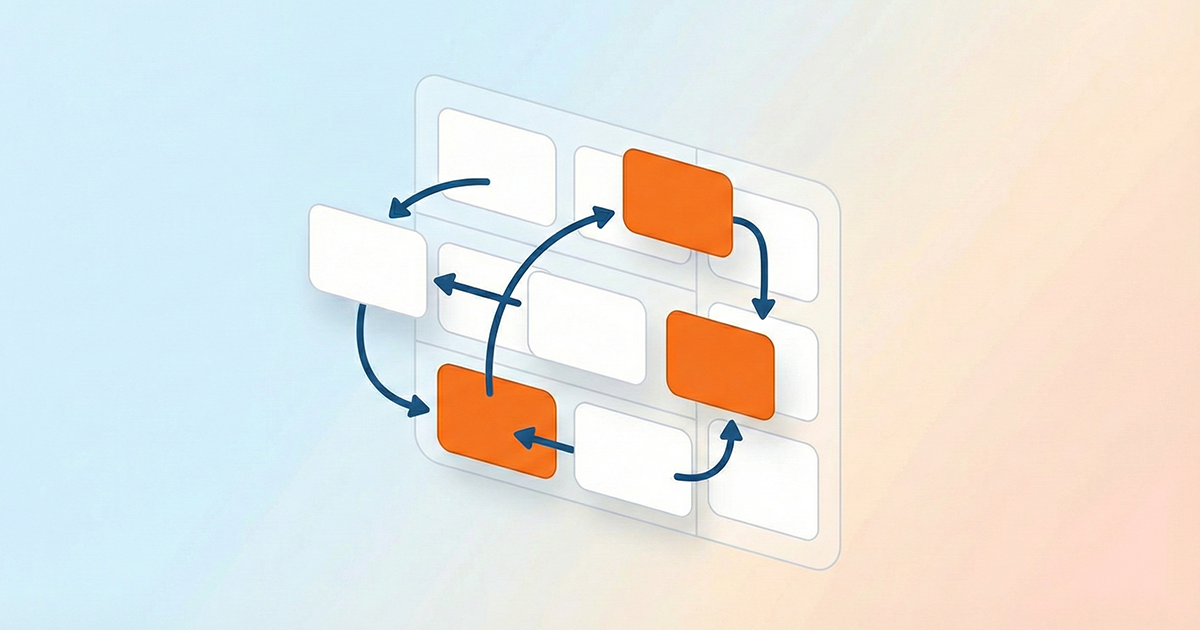
Survey Randomization: When It Helps, When It Hurts (2026)
Randomization controls order effects but has trade-offs. When to randomize questions/options/blocks, when fixed order is preferable, and implementation pitfalls.
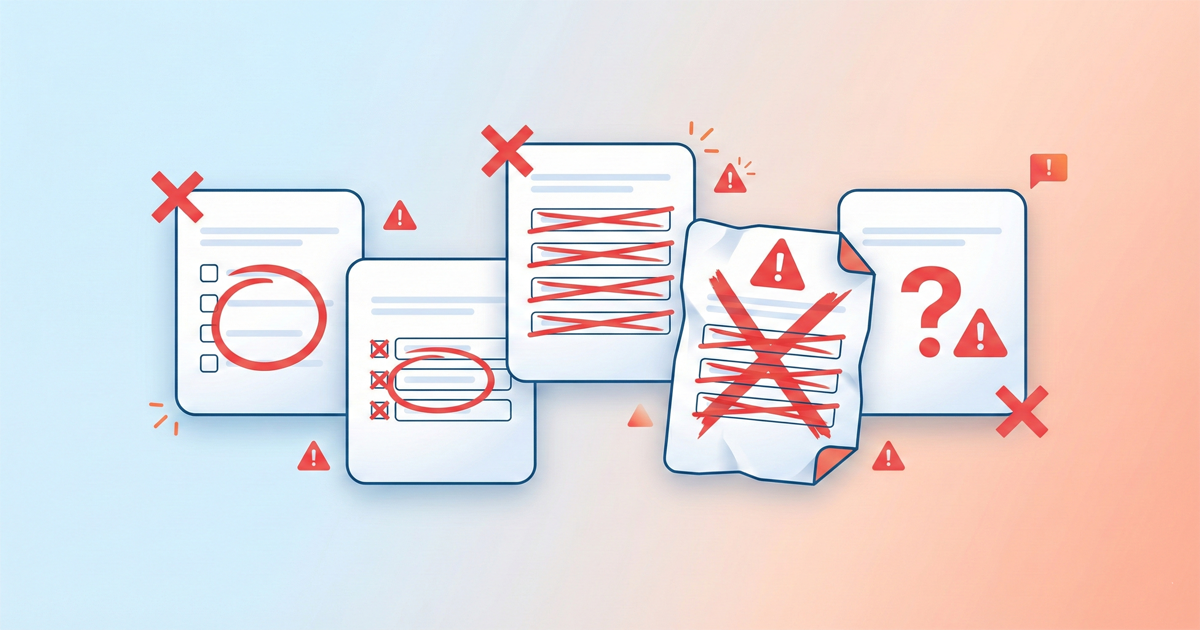
5 Survey Questions You Should Never Ask
Common items with hidden validity problems: double-barreled questions, leading wording, and unrealistic recall. Why they fail and how to rewrite.

How Long Should a Survey Be? Evidence + Benchmarks
How long a survey should be by question type: completion-rate benchmarks, the 10-minute drop-off threshold, and when longer instruments are justified.
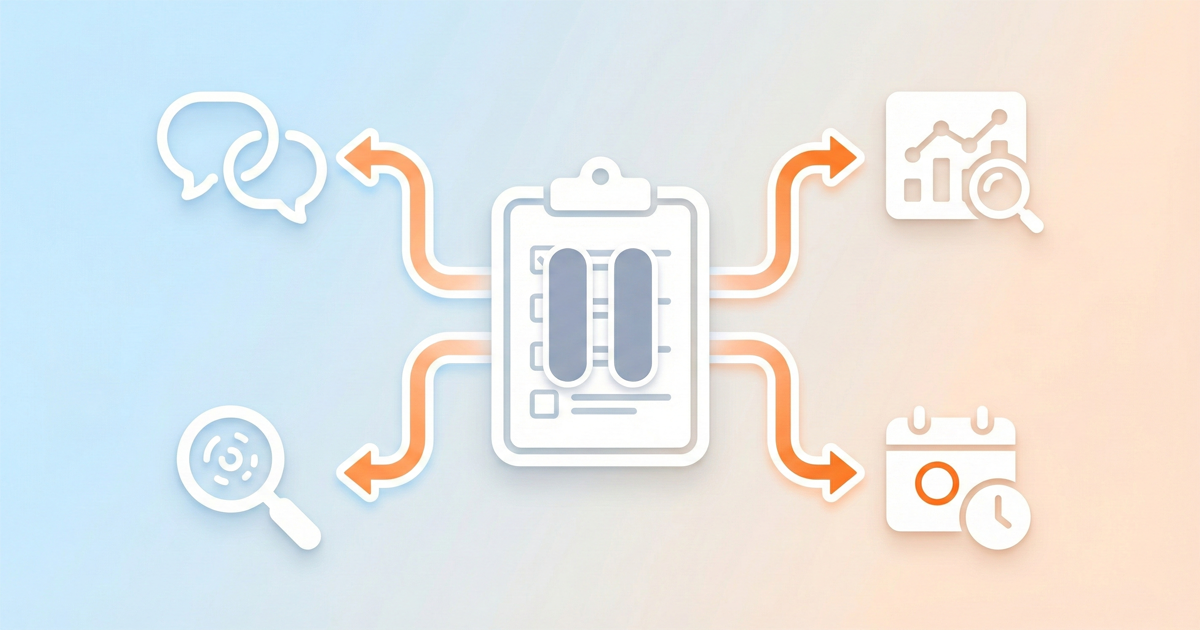
When Surveys Are the Wrong Tool (And What to Do Instead)
When surveys are the wrong method: interviews, observation, behavioral/secondary data, and mixed methods—plus criteria to choose appropriately.

Survey Response Rates: Why Benchmarks Mislead (And How to Interpret Yours)
Response rate benchmarks reflect typicality, not quality. How to interpret rates for nonresponse bias risk and when low rates can be acceptable.

Validity vs Reliability in Surveys: Difference & Examples
Validity and reliability mean different things in survey research. Definitions, side-by-side comparison, and how to design surveys with both.

How to Reduce Survey Bias: 7 Biases & Practical Fixes
A practical framework to reduce survey bias at the design stage: which biases respond to which fixes, plus a pre-launch audit checklist.
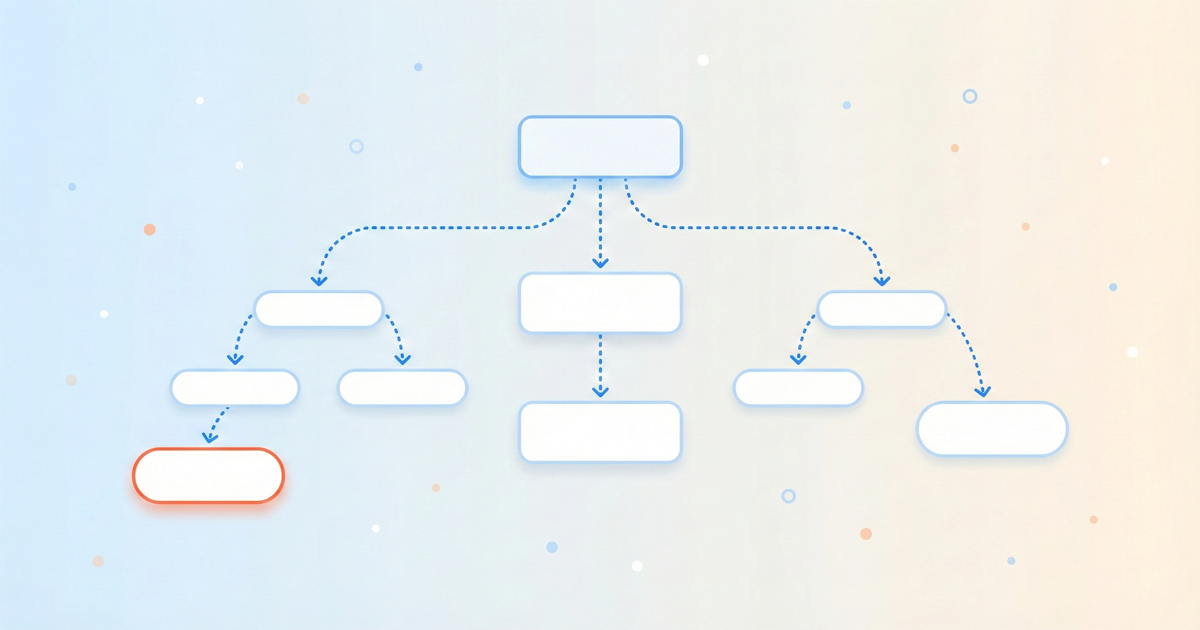
Survey Branching Logic: Skip Logic, Display Logic & Examples
Skip logic, display logic, and conditional branching are different. How each works, real examples, and how to prevent common logic errors.
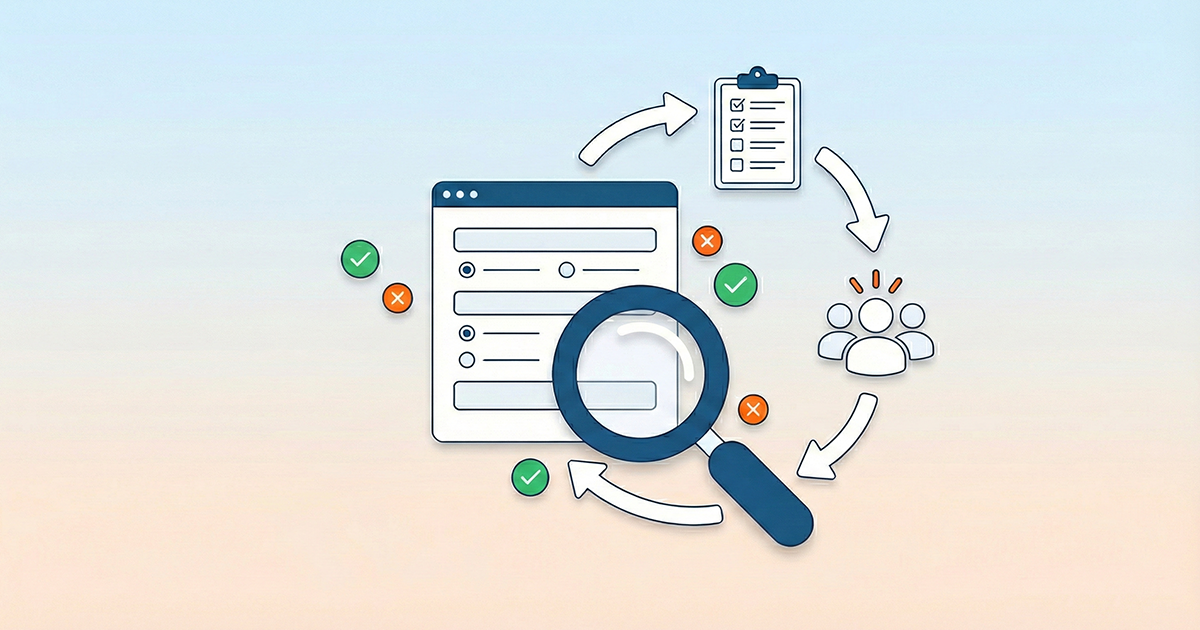
Pilot Testing Surveys: What to Test (and What Testing Won't Fix) (2026)
Pilot testing methods: cognitive interviews (comprehension), expert review (methodology), soft launches (field conditions). What each reveals.

Survey Sample Size: How to Calculate It (Bigger ≠ Better)
How to calculate survey sample size: Cochran's formula, confidence levels, finite population correction, and why a bigger sample doesn't fix bias.
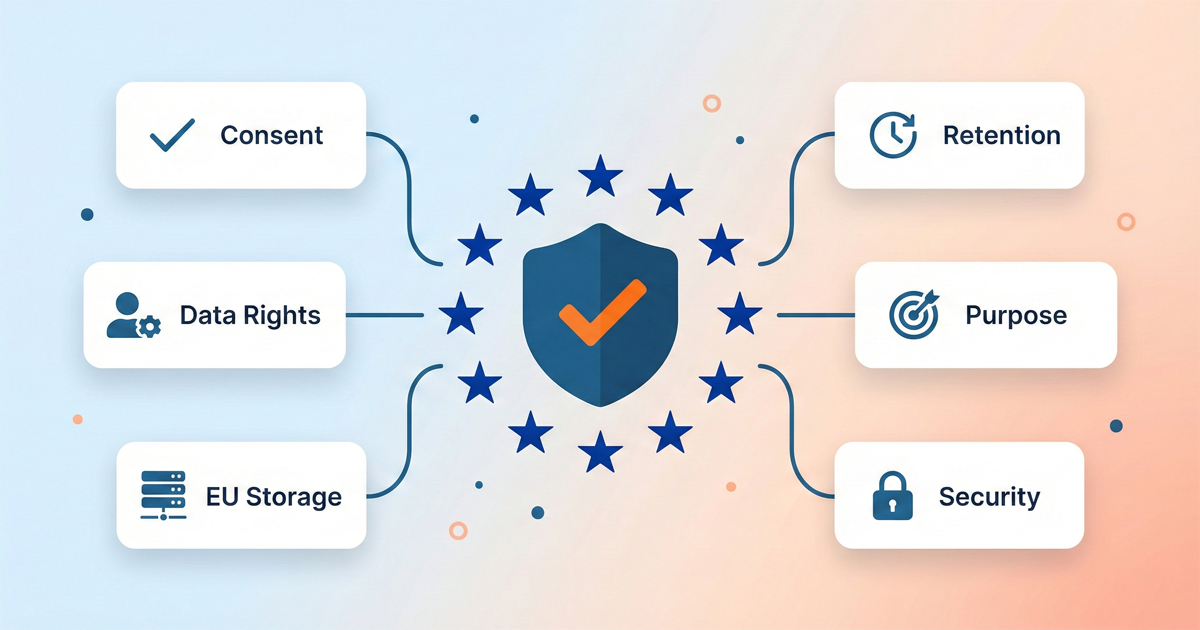
GDPR-Compliant Surveys: A Practical Guide for Researchers (2026)
GDPR for survey research: legal bases beyond consent, data minimization in practice, controller/processor roles, and documentation requirements. Includes a checklist.

Why We're Building Lensym
Why we're building Lensym: research-first survey design for methodological rigor, usable workflows, and better respondent experience—without retrofits.